
Child development is like a thrilling roller coaster ride, filled with twists, turns, and a few unexpected drops. It’s the journey of how children grow, learn, and become the remarkable little humans they’re destined to be. From those adorable first steps to mastering the art of sharing their toys (eventually), every stage is packed with excitement and discovery.
Understanding Child Development
Child development encompasses the emotional, physical, social, and cognitive growth that occurs from birth through adolescence. This process is vital for children as they transform into unique individuals. Developmental milestones mark significant achievements in areas like motor skills, language, and social interaction.
During the early years, children experience rapid brain development. Cognitive skills start to evolve, enabling them to think critically and solve problems. As social beings, they learn to interact with peers and adults, forming essential relationships. Emotional development allows them to understand their feelings and those of others.
Development is not uniform; it varies among children. Some may walk at 12 months, while others might take their first steps closer to 15 months. Language acquisition also differs, with some children saying their first words around 10 months and others around 14 months.
Growth occurs in identifiable stages:
- Infancy (0-1 year): Rapid physical growth and attachment formation.
- Toddlerhood (1-3 years): Exploration of independence and initial social skills.
- Preschool (3-5 years): Enhanced language skills and cooperative play.
- Early Childhood (5-7 years): Development of reasoning skills and greater emotional awareness.
Nurturing environments promote optimal child development. Factors such as parenting styles, education, and social interactions influence the trajectory of growth. Positive experiences foster confidence and resilience, while negative experiences can impede development.
Tracking developmental milestones offers insights into a child’s progress. Regular assessments help identify needs and support necessary interventions. Understanding child development guides parents, educators, and caregivers in fostering healthy growth.
Key Stages of Child Development
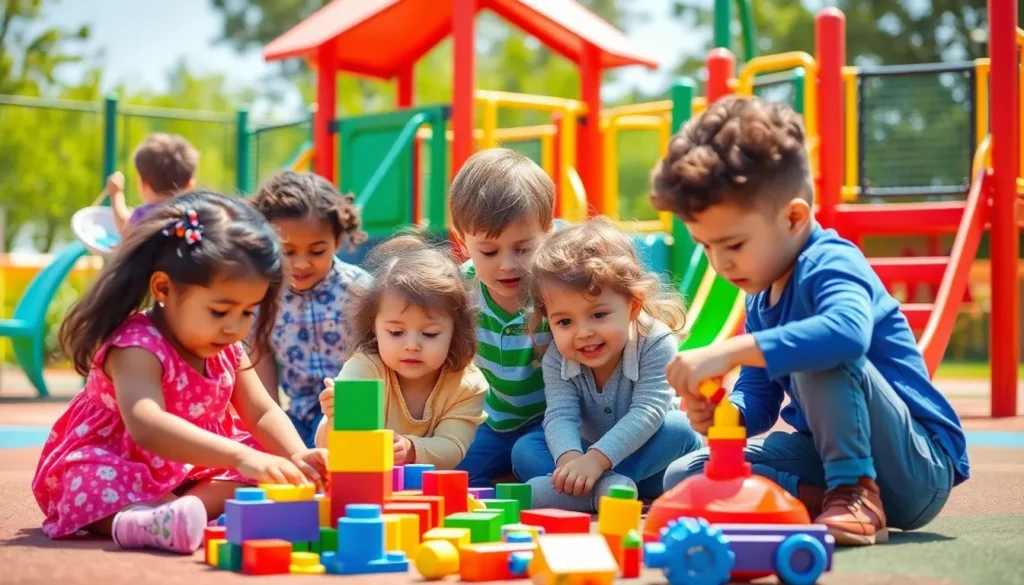
Child development unfolds in distinct stages, each marked by significant growth in various areas. Understanding these stages helps parents and caregivers support children’s unique journeys.
Infancy
Infancy, from birth to 1 year, is characterized by remarkable physical growth and attachment formation. Babies experience rapid weight gain, doubling their birth weight by around five months. Motor skills development includes rolling over, sitting up, and eventually crawling. Recognizing familiar voices and faces is essential during this stage, as it fosters emotional bonds with caregivers. Cognitive milestones emerge as infants explore their environment through senses. Parents can enhance learning by engaging in activities like singing, reading, and playing. These experiences lay a solid foundation for future growth.
Early Childhood
Early childhood, spanning ages 2 to 5 years, features significant language and social development. Children expand their vocabulary rapidly, often using simple sentences by age three. Independence becomes a focal point, with toddlers exploring their world and asserting autonomy. Cooperative play emerges as children learn to share, take turns, and navigate friendships. Emotional awareness begins to surface, helping them identify and express feelings. Encouraging imaginative play enhances problem-solving skills and creativity. This stage is crucial for establishing the groundwork for later learning and social interactions.
Middle Childhood
Middle childhood, occurring from ages 6 to 12 years, showcases accelerated cognitive and social growth. Children develop critical thinking skills and begin to grasp more complex concepts. Academic proficiency often improves, with significant milestones in reading and math. Social circles expand, as friendships become more integral, emphasizing teamwork and empathy. Emotional regulation matures, allowing children to manage their feelings better. Extracurricular activities like sports and clubs enrich socialization and skill development. Supportive environments foster resilience and boost self-esteem during this pivotal stage.
Factors Influencing Child Development
Child development is influenced by a blend of genetic and environmental factors. Understanding these influences helps caregivers support children effectively.
Genetics
Genetics plays a critical role in determining a child’s growth and development. inherited traits can shape physical characteristics, temperament, and intelligence. Genes contribute to cognitive abilities and potential health issues, impacting overall development. Studies suggest that certain hereditary conditions can affect speech or motor skills. Additionally, genetic predispositions influence emotional traits, such as resilience or anxiety. Research highlights the complexity of gene-environment interactions, illustrating that hereditary factors do not solely dictate outcomes. Instead, they set a foundation children build upon during growth.
Environment
The environment significantly impacts a child’s development. A nurturing, stimulating environment enhances learning and emotional growth. Parents’ involvement, quality of education, and access to resources play vital roles in shaping experiences. Social interactions with peers and caregivers foster social skills and emotional understanding. Exposure to diverse experiences enriches cognitive development and language acquisition. Conversely, adverse conditions such as neglect or poverty can hinder growth and development. Research indicates that supportive environments improve cognitive abilities, self-esteem, and resilience. Creating a positive environment remains essential to fostering healthy child development.
The Role of Parents and Caregivers
Parents and caregivers significantly influence child development throughout various stages. They foster emotional growth by providing support and understanding, which helps children learn to express themselves effectively. In infancy, caregivers prioritize attachment by responding promptly to a baby’s needs, setting the foundation for trust and security.
During toddlerhood, caregivers encourage exploration, guiding children as they assert their independence. Structuring an environment for safe exploration promotes curiosity and enhances motor skills. Social skills develop as caregivers facilitate interactions with peers, teaching children vital lessons in sharing and cooperation.
Preschool years amplify the role of parents and caregivers in language and social development. Engaging in conversations, reading books, and participating in activities cultivates vocabulary expansion and imagination. Encouragement to play cooperatively builds essential teamwork skills and emotional intelligence.
Early childhood marks a crucial period for cognitive advancement. Caregivers stimulate reasoning and problem-solving abilities by presenting age-appropriate challenges. Establishing routines also provides stability, enabling children to gain confidence in their abilities.
Middle childhood brings heightened expectations, where caregivers support academic growth and social competence. Involvement in school activities and open communication regarding challenges fosters resilience. Emotional regulation improves when adults model appropriate responses to stress and encourage constructive coping mechanisms.
Creating a nurturing environment is vital for overall child development. Parents and caregivers should be mindful of their actions, as positive reinforcement and validation promote self-esteem. In contrast, exposure to adverse conditions can hinder growth, making it essential for caregivers to prioritize daily interactions that foster healthy growth.
Importance of Early Intervention
Early intervention plays a vital role in optimizing child development. Addressing developmental delays immediately increases the likelihood of achieving important milestones. Professionals recommend that parents and caregivers observe children closely for signs of developmental issues, as timely assistance can significantly enhance outcomes.
Research indicates that children’s brains develop rapidly during the first few years, with about 90% of brain growth occurring by age five. This intense period of growth highlights the importance of intervening early to capitalize on a child’s natural learning abilities. Support from early childhood specialists helps children develop critical skills in communication, socialization, and emotional regulation.
Engagement from parents or caregivers complements professional intervention. Parents foster a stimulating environment that includes regular interaction and play. Simple activities, such as reading together or engaging in imaginative play, build essential cognitive and social skills. Consistent encouragement from caregivers enhances a child’s confidence and resilience.
Various programs provide resources for early intervention. Services like speech therapy or occupational therapy cater to specific developmental needs. Community organizations also offer testing and assessment to help identify children who may benefit from early support.
Outcomes for children receiving early intervention show significant improvements in academic performance and social behavior. Continued support throughout childhood fosters sustained growth and development. Long-term studies reveal that early intervention contributes to greater success in school and beyond, strengthening relationships and life skills.
Collaboration between families and professionals creates a comprehensive support system. This partnership ensures that children receive the necessary resources to thrive. Prioritizing early intervention strengthens the foundation for healthier, happier futures for children and families alike.
Understanding child development is essential for nurturing healthy and well-rounded individuals. Each stage of growth presents unique opportunities for learning and emotional connection. By recognizing the importance of supportive environments and early interventions, parents and caregivers can significantly influence a child’s trajectory.
As children navigate their developmental roller coaster, fostering resilience and self-esteem becomes key. Engaging in stimulating activities and encouraging open communication lays the groundwork for their future success. Ultimately, a collaborative approach among families and professionals can create a strong support system that promotes positive outcomes for children. Embracing this journey ensures that every child has the chance to flourish and reach their full potential.