
Navigating the teenage years can feel like trying to balance on a tightrope while juggling flaming torches. With academic pressures social dynamics and the ever-present influence of social media it’s no wonder that emotional resilience has become the superhero power every teen needs. But what exactly is this magical ability? It’s the ability to bounce back from setbacks adapt to change and keep a sense of humor even when life throws a curveball.
Building emotional resilience isn’t just for the wise sages of the world. Teens can cultivate this essential skill to help them tackle challenges head-on. By developing strategies to cope with stress and uncertainty they’ll not only survive their teenage years but thrive. So let’s dive into the world of teen emotional resilience and discover how to turn those awkward moments into stepping stones for growth.
Understanding Teen Emotional Resilience
Emotional resilience plays a vital role in the lives of teenagers as they face various challenges during adolescence. This section examines the definition and importance of emotional resilience.
Definition of Emotional Resilience
Emotional resilience describes the capacity to recover from setbacks and adapt to change effectively. It encompasses skills such as emotional regulation, coping strategies, and the ability to maintain a sense of perspective in stressful situations. Resilient teens confront obstacles and view them as opportunities for growth. They bounce back quickly from disappointments and apply learned lessons to future experiences. This trait helps them manage emotions without becoming overwhelmed by stressors.
Importance for Teens
Developing emotional resilience is essential for teens navigating their formative years. Increased emotional resilience correlates with improved academic performance and healthier relationships. Teens equipped with resilience skills handle academic pressures, social challenges, and the effects of social media more effectively. Research indicates that resilient teens demonstrate lower levels of anxiety and depression. Prioritizing emotional resilience fosters a positive mindset, enhances problem-solving abilities, and supports mental well-being, ultimately making adolescents more successful in overcoming life’s hurdles.
Factors Influencing Emotional Resilience
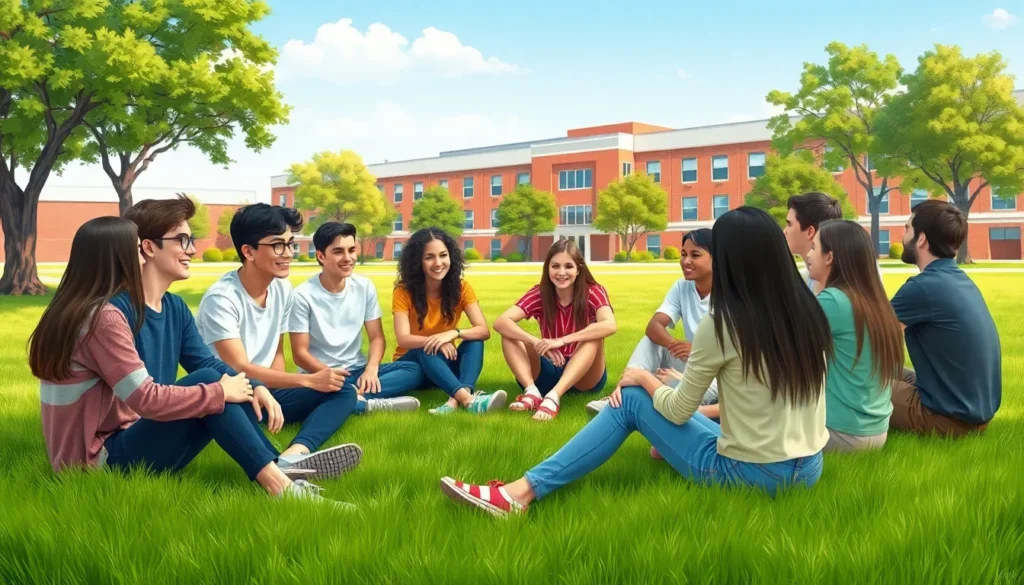
Multiple elements impact a teenager’s emotional resilience. Family environment, peer relationships, and school support systems play crucial roles in forming this vital skill.
Family Environment
A supportive family environment fosters emotional resilience in teens. Open communication and understanding within the family encourage emotional expression. Parents who model healthy coping strategies help their children navigate challenges. Strong family bonds create a sense of security, allowing teens to feel safe while facing adversity. In families where conflict resolution is prioritized, children learn problem-solving skills. Such an environment empowers teenagers to build resilience by seeing setbacks as temporary hurdles rather than insurmountable obstacles.
Peer Relationships
Healthy peer relationships significantly contribute to emotional resilience. Positive friendships provide social support and opportunities for shared experiences. Teens who surround themselves with encouraging peers often feel more confident in facing difficulties. Engaging with friends fosters a sense of belonging and decreases feelings of isolation. Conflict resolution among peers also enhances resilience, as teens learn to handle disagreements constructively. The importance of collaboration and empathy in friendships helps them develop essential coping skills.
School Support Systems
Robust school support systems enhance emotional resilience among teenagers. Education staff trained in mental health awareness can identify and assist students facing struggles. Availability of counseling services provides a safe space for emotional expression and guidance. Extracurricular activities enable teens to build skills and gain confidence through teamwork. Schools that promote a positive culture encourage a sense of community. Such environments support resilience by teaching students to view challenges as opportunities for growth rather than threats.
Building Emotional Resilience in Teens
Building emotional resilience in teens involves equipping them with practical skills to handle life’s challenges effectively. Various strategies foster resilience, enhance mental well-being, and support personal growth.
Effective Coping Strategies
Coping strategies empower teens to manage stress and overcome obstacles. Techniques like problem-solving enhance decision-making skills. Communication skills, such as expressing feelings and seeking help, create a supportive environment. Journaling offers a space for self-reflection and emotional processing. Engaging in physical activity serves as a healthy outlet for stress relief. Activities like art and music foster creativity and emotional expression. Incorporating these strategies enables teens to navigate difficulties with confidence.
The Role of Mindfulness and Self-Care
Mindfulness practices cultivate present-moment awareness and emotional regulation. Techniques such as meditation and deep breathing help teens manage anxiety. Setting aside time for self-care boosts overall mental health. Regular physical activity, healthy eating, and adequate sleep contribute to emotional well-being. Teens can benefit from hobbies that promote relaxation and joy, such as gardening or reading. Encouraging these practices nurtures emotional resilience by fostering self-awareness and emotional balance.
Encouraging Positive Relationships
Positive relationships significantly influence a teen’s emotional resilience. Supportive friendships provide essential social connections and a sense of belonging. Encouraging open communication fosters trust and understanding between teens and their peers. Parents, educators, and mentors also play a critical role in creating safe environments for expression. Engaging in group activities builds teamwork and cooperation. By strengthening these relationships, teens develop a robust support network that enhances their resilience in facing life’s challenges.
Challenges to Developing Emotional Resilience
Teenagers face multiple challenges in developing emotional resilience. Each challenge affects their ability to cope effectively and build a solid foundation for future mental well-being.
Mental Health Issues
Mental health issues create significant obstacles for teenagers. Conditions like anxiety and depression can impede emotional regulation. These conditions may result in difficulties managing daily stressors, hindering a teen’s ability to bounce back from setbacks. Moreover, untreated mental health issues lead to a negative self-image and decreased motivation. When teens experience these challenges, their resilience can weaken, making it essential for caregivers and educators to identify warning signs early and provide necessary support.
Social Media Influence
Social media influence plays a critical role in shaping teen emotional resilience. Online platforms often present unrealistic comparisons, fostering feelings of inadequacy and low self-esteem. Continuous exposure to curated content can exacerbate anxiety when teens measure their lives against others. Navigating such an environment requires strong coping strategies. Engaging in open discussions about social media’s impact enables teens to build awareness and develop healthier online habits. Understanding these dynamics aids in cultivating resilience against external pressures.
Academic Pressure
Academic pressure constitutes another significant barrier. Excessive demands from school can overwhelm many teenagers, leading to stress and burnout. High expectations from parents and educators often intensify this pressure, resulting in a fear of failure. Consequently, teens may struggle to maintain a healthy balance between academics and personal life. Effective time management skills and supportive school environments play crucial roles in reducing stress levels. By addressing academic pressures, teens can cultivate resilience, allowing them to face challenges with confidence and poise.
Emotional resilience is a vital skill for teens as they face the complexities of adolescence. By fostering resilience, they not only learn to navigate challenges but also cultivate a mindset geared towards growth and adaptability. The support from families, peers, and schools plays a crucial role in this development.
Encouraging healthy coping strategies and nurturing positive relationships can significantly enhance a teen’s ability to manage stress and setbacks. As they build these skills, they’re better equipped to turn obstacles into opportunities, paving the way for a healthier and more successful future. Investing in emotional resilience today sets the foundation for lifelong well-being and personal growth.